


Lebanon Wine Regions A Story of History, Wines and Perfect Food Pairings
Lebanon is small on the map, yet its wine story stretches across thousands of years, from ancient traders on the Mediterranean coast to modern cellars tucked into mountain slopes. Few wine countries carry that much history in such a compact place.
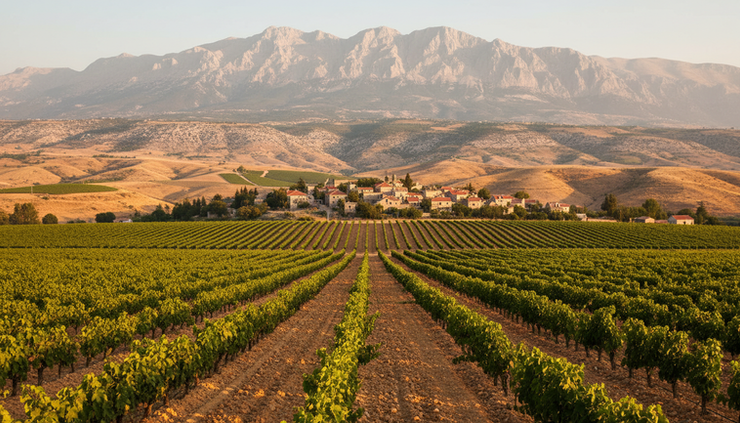
The country’s vineyards grow between sea, valley, and mountain. Some vines face snowy peaks. Others sit above the blue line of the Mediterranean. Many rest in the Bekaa Valley, where dry summers, cool nights, and high altitude help grapes ripen with flavor while keeping their freshness.
Lebanese wine is not a copy of France, Italy, or anywhere else. It has its own voice. You can taste sun, stone, herbs, and old trade routes in the glass. The reds are often generous and spicy. The whites can be crisp, textured, and quietly wild. The best bottles feel both ancient and current, especially when paired with Lebanese food.
Lebanon’s wine story began long before modern labels
Wine in Lebanon did not begin with boutique tasting rooms or export markets. It began with ancient agriculture and seafaring trade.
The people of the eastern Mediterranean made and moved wine thousands of years ago. The Phoenicians, famous sailors and merchants, helped carry wine culture across the Mediterranean. They traded with coastal cities and islands, spreading not only goods but also techniques, vines, and drinking customs.
Lebanon’s link to wine also appears in its ruins. Baalbek, one of the country’s most famous archaeological sites, includes a grand Roman temple often associated with Bacchus, the god of wine. That connection is more than a tourist detail. It shows how deeply wine sat inside ritual, trade, farming, and daily life.
Modern Lebanese wine took clearer shape in the 19th and 20th centuries. Château Ksara, founded in 1857 by Jesuit priests in the Bekaa Valley, became one of the country’s historic wineries. Château Musar, founded in the 1930s, later helped introduce Lebanese wine to serious drinkers abroad, especially through its age-worthy reds.
The Lebanese Civil War made wine production difficult and sometimes dangerous. Growers and winemakers still harvested, drove grapes across uncertain roads, and kept cellars alive. That persistence became part of the identity of Lebanese wine. It is a story of craft under pressure, not just agriculture in good weather.
Since the 1990s, the country has seen a new wave of wineries. Some use French grape varieties. Some revive native grapes. Some focus on natural or low-intervention methods. Together, they make Lebanon one of the most fascinating wine countries in the eastern Mediterranean.
The Bekaa Valley is the heart of Lebanese wine
The Bekaa Valley is Lebanon’s best-known wine region, and for good reason. It runs between the Mount Lebanon range and the Anti-Lebanon mountains, creating a high inland valley with warm days and cool nights.
That daily shift in temperature matters. Grapes can ripen fully during sunny days, then rest at night. This helps preserve acidity, which keeps wines from feeling heavy. The dry climate also reduces some vineyard disease pressure, which can make grape growing more reliable than in wetter regions.
Many of Lebanon’s most famous wineries work here, including long-established names and newer estates. The region suits both red and white grapes, though it is especially known for bold, structured reds.
Common grapes in the Bekaa include:
Cabernet Sauvignon
Cinsault
Carignan
Syrah
Merlot
Grenache
Chardonnay
Sauvignon Blanc
Viognier
Cinsault deserves special attention. In many countries it plays a supporting role, adding perfume and softness. In Lebanon, it can be central. Older Cinsault vines can give wines with red fruit, spice, and a lifted, savory character that pairs beautifully with grilled meats and herb-heavy dishes.
The Bekaa style often brings ripe fruit, earthy undertones, and spice. A red blend might show black cherry, plum, tobacco, dried herbs, and a firm but polished finish. These wines work well at the table because they have both richness and structure.

Mount Lebanon brings altitude, freshness, and contrast
Mount Lebanon is not one single wine personality. It is a set of slopes, terraces, villages, and microclimates. Vineyards may sit at different elevations, facing different winds and sun exposure. That range gives winemakers room to experiment.
The mountain areas can produce wines with more tension and freshness than warmer valley sites. Whites and rosés can be especially appealing here, though reds can also show elegance rather than sheer power.
This is where Lebanon’s native white grapes become especially interesting. Two names stand out: Obaideh and Merwah.
Merwah often grows in mountain regions and can produce wines with citrus, almond, herbs, and mineral notes. Obaideh can give texture, roundness, and subtle orchard fruit. These grapes are sometimes compared loosely to better-known varieties, but they should be tasted on their own terms.
A good mountain white from Lebanon can be a beautiful match with local seafood, fresh cheese, and vegetable dishes. It may not shout. It may not rely on heavy oak or obvious tropical fruit. Its charm comes from restraint, saltiness, and a sense of place.
Mount Lebanon also reflects the modern direction of the country’s wine scene. More producers are asking what Lebanese wine can be when it looks inward, toward native grapes and traditional agriculture, rather than only outward, toward international styles.
Batroun and the north add a coastal mood
North of Beirut, the Batroun area has become one of Lebanon’s most exciting wine zones. It sits close to the sea, with hills rising not far from the coast. The result is a different feeling from the Bekaa Valley: breezier, often brighter, and shaped by Mediterranean air.
Batroun is especially appealing for whites, rosés, and lighter reds, though producers vary widely in style. The region’s wines can feel lively and aromatic, with citrus, herbs, red berries, and a clean finish.
There is also a natural food connection here. Batroun is known for coastal life, seafood, citrus, and relaxed outdoor meals. A crisp Lebanese white with grilled fish, lemon, olive oil, and herbs makes immediate sense. So does a dry rosé with fried calamari, fattoush, or shrimp cooked with garlic.
The region also speaks to Lebanon’s newer wine culture. It feels less bound by old categories. Small producers can try unusual blends, native grapes, and fresher styles that suit modern tables.
Southern Lebanon offers quiet promise
Southern Lebanon is less famous internationally as a wine region, but it has real promise. Areas around Jezzine and the southern highlands offer altitude, limestone soils in places, and cooler growing conditions than many people expect from this part of the world.
The south can produce wines with fragrance and precision, especially when vineyards sit high enough to avoid excessive heat. Like other Lebanese regions, it benefits from the country’s natural variety. A short drive can shift climate, elevation, and exposure.
The story here is still developing. That is part of the appeal. The best Lebanese wine regions are not frozen in place. They keep changing as growers learn which grapes belong where, which old vines should be protected, and which local varieties deserve more attention.

The wines of Lebanon deserve a place at the table
Lebanese wines make the most sense with food. That is not a weakness. It is one of their strengths.
The country’s cuisine is built on balance: lemon, olive oil, garlic, herbs, grilled meat, fresh vegetables, grains, yogurt, nuts, and spice. The wines often mirror that balance. They have enough fruit for warmth, enough acidity for freshness, and enough savory character for complex dishes.
Lebanese reds
Lebanese red wines often come as blends. Cabernet Sauvignon may bring structure. Cinsault can bring perfume and red fruit. Carignan adds earth, depth, and acidity. Syrah gives pepper and darker fruit.
Expect flavors such as:
Blackberry and plum
Red cherry and fig
Cedar and tobacco
Dried thyme and wild herbs
Pepper, clove, and warm spice
These reds usually match best with dishes that have depth, char, or spice.
Lebanese whites
White wines range from crisp and citrusy to textured and nutty. International grapes like Chardonnay and Sauvignon Blanc appear often, but Merwah and Obaideh bring a more local signature.
Expect flavors such as:
Lemon and grapefruit
Green apple and pear
Almond and chamomile
Mountain herbs
Saline or stony notes
These whites work well with seafood, fresh cheese, and vegetable mezze.
Lebanese rosés
Lebanese rosé can be dry, refreshing, and very food-friendly. It often sits in the sweet spot between white wine freshness and red wine berry flavor.
Expect flavors such as:
Strawberry and watermelon
Pink grapefruit
White pepper
Rose petal
Fresh herbs
Rosé is one of the easiest choices for a full Lebanese spread because it can handle many flavors at once.
The best Lebanese wine and food pairings
Lebanese cuisine rarely arrives as a single plate. It tends to gather on the table, one bowl and platter at a time. That makes pairing both fun and practical. The goal is not perfection with one bite. The goal is harmony across the meal.
Lebanese dish | Best wine style | Why it works |
Hummus with olive oil | Crisp white from Merwah or Sauvignon Blanc | Lemon and acidity cut through the creamy chickpeas |
Tabbouleh | Fresh white or dry rosé | Parsley, lemon, and tomato need a wine with brightness |
Fattoush | Dry rosé | The wine handles sumac, crunch, and sharp dressing |
Kibbeh nayyeh or baked kibbeh | Medium-bodied red with Cinsault | Red fruit and spice match the meat without overpowering it |
Lamb kafta | Bekaa red blend | Tannin and dark fruit stand up to grilled lamb and spices |
Shish tawook | White blend or rosé | Garlic, lemon, and chicken pair well with freshness |
Grilled fish with lemon | Mountain white from Merwah or Obaideh | Citrus and mineral notes echo the dish |
Makanek sausage | Spicy red or dry rosé | The wine balances fat, spice, and pomegranate molasses |
Manakish with za’atar | Textured white | Herbal notes in the wine connect with thyme and sesame |
Baklava | Late-harvest style wine if available | Sweetness in the wine should match the honeyed pastry |
The most flexible pairing is dry Lebanese rosé with mezze. It can move from hummus to olives, from fried bites to salads, without clashing. For a mixed grill, choose a red blend from the Bekaa Valley. For seafood or vegetable dishes, reach for a mountain white.
If the table includes many dishes, open two bottles: one fresh white or rosé, and one medium-bodied red. That simple move covers most of the meal.
A regional pairing journey through Lebanon
One enjoyable way to understand Lebanese wine is to treat dinner like a route across the country.
Start on the coast with raw vegetables, olives, labneh, grilled fish, and a crisp white from Batroun or Mount Lebanon. The wine should feel bright and clean, with citrus and herbs.
Move inland to the Bekaa Valley with kibbeh, lamb, roasted eggplant, and a red blend. This is where the meal gains warmth. The wine brings black fruit, spice, and a gentle earthy edge.
Then climb back toward the mountains with aged cheese, walnuts, figs, and a glass made from Merwah or Obaideh. The pairing becomes quieter and more reflective. It shows the older side of Lebanon, where local grapes and traditional foods speak in smaller details.
That kind of meal tells the country’s wine story better than a lecture. Each glass feels connected to a place, and each dish gives the wine a reason to open up.

How to choose a Lebanese bottle
Lebanese wine can feel unfamiliar at first, but choosing a bottle is easier when you know what mood you want.
For a bold dinner red, look for a Bekaa Valley blend with Cabernet Sauvignon, Cinsault, Carignan, or Syrah. These wines suit lamb, beef, and grilled food.
For something lighter and more aromatic, try a Cinsault-led red. Serve it slightly cool, around 55 to 60 degrees Fahrenheit, with kibbeh, chicken, or charred vegetables.
For seafood and mezze, choose a dry white from Merwah, Obaideh, Sauvignon Blanc, or a local blend. If the food is lemony, salty, or herb-filled, freshness matters more than oak.
For an all-purpose bottle, choose dry rosé. It is one of the safest picks for Lebanese food because the cuisine has so many textures and flavors at once.
A few practical tips help:
Serve reds a little cooler than room temperature.
Do not overchill textured whites, since too much cold can mute flavor.
Let structured reds breathe for a short time before serving.
Pair the weight of the wine with the weight of the dish.
Why Lebanese wine feels different
Lebanese wine carries a rare mix of influences. French grapes appear often, but they grow in Lebanese soils under Lebanese sun. Ancient local grapes still matter. The food culture gives wine a natural role. The geography changes quickly from coast to mountain to valley.
The wines also carry resilience. Many producers have worked through political and economic challenges, yet they continue to plant, harvest, ferment, and bottle. That human effort gives the wines an added layer of meaning.
Lebanon Wine Regions A Story of History, Wines and Perfect Food Pairings is more than a title. It is the natural shape of the subject. The history explains the vineyards. The regions explain the wines. The food explains why the wines matter.

The final glass
Lebanese wine rewards curiosity. It offers ancient roots without feeling trapped in the past. It gives familiar grapes a new accent and gives native grapes a chance to speak clearly.
Start with one region and one meal. Pour a Bekaa red with lamb kafta. Open a mountain white with grilled fish. Serve a dry rosé with mezze and let it move across the table.
The best way to understand Lebanon’s wine regions is not only to study them. It is to taste them beside the food that grew up with them.


Comments