


5 Day Portugal Itinerary: Sites, Wine Regions, Boutique Stays
Portugal rewards travelers who move slowly, but a short trip can still feel rich if the route is tight. Five days is enough for Lisbon’s tiled lanes, Sintra’s palaces, Porto’s riverfront, and a proper wine day in the Douro Valley, as long as the logistics do not fight the experience.
This plan keeps the route realistic. It starts in Lisbon, folds in guided touring with Ola Viva Tours Lisboa, moves north by train, and ends with Portugal’s most famous wine scenery. It also leaves room for boutique hotels, long lunches, and time to wander without turning every hour into a checklist.

A smart route for five days in Portugal
For a first trip, the best 5 day Portugal itinerary usually follows a simple south-to-north line:
Day | Base | Main focus | Best travel method |
Day 1 | Lisbon | Alfama, Baixa, Chiado, Belém | Walking, tram, taxi, guided tour |
Day 2 | Lisbon | Sintra and Cascais | Private tour, train, or rental car |
Day 3 | Porto | Porto historic center and wine lodges | Train from Lisbon, walking, taxi |
Day 4 | Douro Valley | Vineyards, river views, wine tasting | Guided day tour or rental car |
Day 5 | Porto or Lisbon | Slow morning, final sights, departure | Train, flight, or private transfer |
This route works because Lisbon and Porto connect well by train, and both cities make strong bases. It also avoids trying to squeeze in the Algarve, Évora, Coimbra, and the Douro all at once. Portugal looks compact on a map, but travel time still matters.
If the trip begins and ends in Lisbon, take the train back from Porto on Day 5 or book an open-jaw flight, arriving in Lisbon and departing from Porto. The open-jaw option saves time and makes the journey feel smoother.
For boutique accommodations, pick places near the center rather than outside town. In Lisbon, look at Chiado, Príncipe Real, Avenida da Liberdade, or Alfama if hills are not an issue. In Porto, Ribeira, Cedofeita, Bonfim, and the arts district around Miguel Bombarda work well for short stays.
Good boutique-style options to research include:
Lisbon
Memmo Alfama, Santa Clara 1728, Bairro Alto Hotel, Torel Palace Lisbon
Porto
Torel 1884, Maison Albar Le Monumental Palace, The Rebello in Vila Nova de Gaia, Torel Avantgarde
Douro Valley
Quinta da Pacheca, Six Senses Douro Valley, Quinta Nova Winery House
Availability and character change by season, so use these as starting points rather than fixed answers.
Days 1 and 2 give you Lisbon, Sintra, and the coast
Day 1 starts with Lisbon’s oldest streets
Start the first morning in Lisbon with a guided introduction rather than trying to decode the city alone. This is where tours with Ola Viva Tours Lisboa can fit well. A local-led walking tour can connect Alfama, Mouraria, Baixa, Chiado, and the viewpoints without wasting time on awkward backtracking.
Lisbon is built on hills, and the neighborhoods shift fast. One street feels quiet and residential, the next opens onto a miradouro with river views. A guide helps explain what you are seeing, from azulejo tilework to the city’s post-earthquake rebuilding.
Spend the afternoon in Belém, where Portugal’s Age of Exploration is most visible. See the Jerónimos Monastery exterior or interior if tickets and timing work, walk by the Belém Tower, and stop for a custard tart at one of the neighborhood bakeries. If museums are a priority, choose one rather than trying to cover them all.
A balanced Day 1 might look like this:
Morning walking tour in Alfama, Baixa, and Chiado
Lunch near Chiado or Cais do Sodré
Afternoon in Belém
Sunset at a viewpoint such as Miradouro da Senhora do Monte or Miradouro de Santa Catarina
Dinner in Príncipe Real, Bairro Alto, or Alfama
For dinner, keep it simple. Order grilled fish, clams, octopus, or bacalhau if it appears in a style that sounds appealing. Portugal’s food culture rewards plain-sounding dishes made with good ingredients.
Day 2 takes you to Sintra and Cascais
Sintra can feel magical or frustrating depending on timing. Go early, expect crowds near major palaces, and do not try to see every landmark. Pena Palace, Quinta da Regaleira, and the historic center are already enough for a full day.
A private or small-group tour is the easiest option, especially if it includes the coast. Driving in Sintra can be stressful because of narrow roads, traffic controls, and limited parking. The train from Lisbon to Sintra works well for independent travelers, but getting between sights takes planning.
After Sintra, continue toward Cabo da Roca, the western edge of mainland Europe, then Cascais for a seaside walk. This adds fresh air after the palace crowds and gives the day a calmer finish.

For a second Lisbon night, stay in the same hotel. Changing hotels for a one-night gain usually costs more energy than it saves.
Day 3 moves north to Porto
Take a morning train from Lisbon to Porto. Portugal’s Alfa Pendular and Intercidades trains connect the cities from major stations, and the ride usually takes around three hours depending on the service. Book seats ahead during busy periods.
Once in Porto, drop bags at the hotel and spend the afternoon on foot. Porto is smaller than Lisbon but steep in places, with dramatic views over the Douro River. Start around São Bento Station, known for its tile panels, then walk toward the cathedral and down into Ribeira.
Cross the Dom Luís I Bridge to Vila Nova de Gaia, where many port wine lodges sit across the river from Porto. If you plan to tour a lodge, reserve ahead. A tasting here gives context before heading into the Douro Valley the next day.
Day 3 should not be too packed. The train transfer takes energy, and Porto is at its best when you leave time for slow wandering. Find a terrace, order a glass of vinho verde or Douro red, and watch the light change over the river.
For boutique stays, Porto offers two appealing styles. Stay in the historic core if you want easy access to sights, restaurants, and river views. Stay in Gaia if wine lodges and quieter evenings matter more. Gaia can also work well for travelers who want larger rooms or spa-style hotels.
Suggested Day 3 outline:
Morning train from Lisbon to Porto
Lunch near Bolhão, Cedofeita, or the historic center
São Bento Station and Porto Cathedral
Ribeira riverfront
Dom Luís I Bridge walk
Port lodge visit in Gaia
Dinner in Porto or Gaia
If you prefer food culture over wine lodges, swap the tasting for a market-focused walk or a petiscos-style dinner, Portugal’s small plates culture.
Day 4 is for the Douro Valley wine region
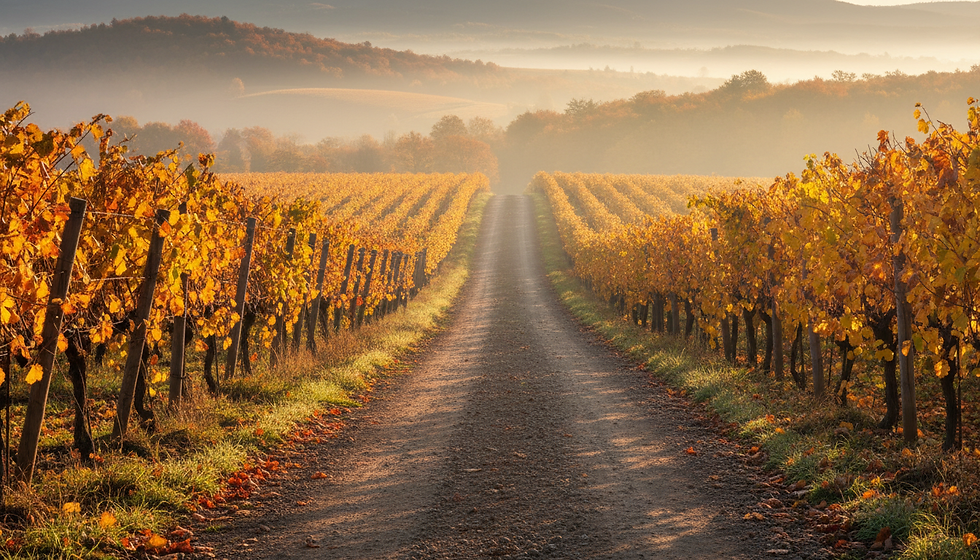
The Douro Valley is one of the great wine landscapes of Europe. Terraced vineyards climb steep hills above the river, and the road and rail routes both offer striking views. This is the day to slow down.
A guided wine tour is the safest and easiest choice if tasting is part of the plan. It removes the need to drive on winding valley roads and allows everyone to enjoy the wineries. Many Douro day tours include two winery visits, lunch, scenic viewpoints, and sometimes a short river cruise. Confirm the exact itinerary before booking, especially if boutique wineries matter more than larger estates.
Independent travelers can take the train from Porto toward Peso da Régua or Pinhão. The rail line follows the river for part of the journey and makes a lovely day out. The tradeoff is that wineries are not always easy to reach from stations without taxis or prearranged pickups.

While port wine made the region famous, the Douro also produces excellent still wines. Look for structured reds, fresh whites, and blends that use native Portuguese grape varieties. Tastings often mean more when someone explains the terrain, climate, and traditional vineyard work behind the bottle.
Pack lightly for the day:
Comfortable shoes for uneven winery paths
Sunglasses and sun protection
A light layer for morning or evening
Water for the drive
Space in your bag if you plan to buy wine
If you want a more romantic pace, spend the night in the Douro instead of returning to Porto. A quinta stay gives you sunset over the vines, dinner on the property, and a quieter final morning. The tradeoff is logistics. You will need to plan the next day’s airport or train connection carefully.
For a five-day trip, most travelers should return to Porto after the wine day unless they have arranged a private transfer or are flying out later on Day 5.
Day 5 leaves room for Porto, a final meal, and the trip home
The last day depends on where the trip ends. If flying home from Porto, keep the morning simple. Visit Livraria Lello if you booked tickets and care about historic bookstores, or skip the line and choose the Palácio da Bolsa, Clérigos Tower, or the gardens near the Crystal Palace instead.
If returning to Lisbon, take a morning or midday train and avoid scheduling a tight same-day international flight connection. Train delays are not the norm, but stress is a poor souvenir.
For a final Porto morning, choose one of these plans:
If you want culture | If you want food and shopping | If you want views |
Palácio da Bolsa, São Francisco Church, photography in Ribeira | Bolhão Market, Rua das Flores, specialty food shops | Clérigos Tower, Jardim do Morro, Gaia riverfront |
This is also a good day to buy edible gifts. Olive oil, tinned fish, sea salt, chocolate, and wine travel better than fragile souvenirs. Check airline rules before packing liquids in carry-on luggage.
If the trip ends in Lisbon, consider breaking the return with Coimbra only if you have enough time and light luggage. Otherwise, keep the transfer direct. Five-day trips benefit from restraint.
Practical tips that make this itinerary work
The best transport mix is train plus guided tours. Use trains between Lisbon and Porto, walking and taxis inside cities, and guided tours for Sintra and the Douro Valley. Rent a car only if you are comfortable with narrow roads, parking limits, and wine-day responsibility.
Book the following ahead when possible:
Lisbon walking tour or city introduction with Ola Viva Tours Lisboa
Sintra palace tickets if visiting interiors
Lisbon to Porto train
Porto wine lodge tour
Douro Valley wine tour
Boutique hotels, especially in spring, summer, and early fall
Portugal’s peak travel months can feel busy, especially in Lisbon, Sintra, and Porto. Spring and fall often bring a strong mix of pleasant weather and manageable crowds. Summer works well too, but plan early starts and build in breaks during the warmest part of the day.
For packing, bring comfortable shoes with grip. Cobblestones are part of the charm, but they are not kind to slick soles. A small day bag, light jacket, and neat casual clothing will cover most restaurants and wine estates.
This itinerary works because it balances icons with breathing room. Lisbon gives you history, hills, and guided context. Sintra adds drama. Porto brings riverfront beauty and port wine culture. The Douro Valley turns the trip into something slower and more memorable.
Five days will not show you all of Portugal. It can give you a clear, satisfying first taste, and a strong reason to come back.


Comments