


Fall Travel Tips Worldwide Packing Essentials EITAS Guide and Photo Ideas
Fall is one of the easiest seasons to love and one of the trickiest to pack for. A single trip can bring warm afternoons, cold evenings, sudden rain, early sunsets, and crowded airport lines full of travelers who had the same brilliant idea.
That mix is also what makes fall travel so rewarding. Europe glows with changing leaves. Japan and Korea move into crisp walking weather. Morocco and Egypt cool down after summer heat. South America starts to bloom into spring. National parks in the U.S. get quieter after the school-year rush.
The key is planning for variety. Choose the right region, pack in layers, check entry rules, and leave room for seasonal surprises. This guide covers fall travel tips worldwide, practical packing essentials, ETIAS guidance for Europe, and photo ideas to help you bring the season home.

Why fall is a smart season for worldwide travel
Fall sits between peak summer crowds and winter holidays in much of the Northern Hemisphere. That often means calmer streets, easier dinner reservations, and more comfortable weather for walking, hiking, and sightseeing.
It also brings strong seasonal identity. A fall trip to New England feels different from a fall trip to Kyoto, Tuscany, Patagonia, or the Scottish Highlands. Food changes, festivals shift, and landscapes take on a new mood.
The trade-off is unpredictability. Fall weather can change fast, especially in mountains, coastal regions, and cities with strong seasonal swings. You might eat lunch outside in a T-shirt and need a warm jacket by dinner.
A good fall plan should include:
Layered clothing that works across temperature changes
Rain protection for cities, forests, and shoulder-season coastlines
Comfortable shoes for walking on wet streets, stone paths, or trails
Entry document checks before booking nonrefundable plans
Photo plans around earlier sunsets and softer light
Fall travel tips by region
The best fall travel strategy depends on where you are going. October in Paris does not feel like October in Bali, and November in Patagonia is closer to spring than fall by U.S. standards.
Europe brings color, culture, and new entry checks
Europe is a classic fall choice for a reason. Summer heat eases across much of the continent, museum lines often shrink, and food markets fill with mushrooms, apples, chestnuts, truffles, and wine-season harvest goods.
Great fall picks include:
France for Paris walks, Loire Valley châteaux, and Burgundy wine country
Italy for Rome, Florence, Tuscany, and the lakes after the heaviest crowds fade
Germany, Austria, and Switzerland for alpine towns and crisp train journeys
Scotland and Ireland for moody landscapes, castles, and cozy pubs
Spain and Portugal for milder weather and long city walks
Pack for wet cobblestones and temperature swings. A light waterproof jacket, ankle boots with good grip, and a thin sweater will do more for you than a bulky coat in most western and southern European cities.
If you plan to rent a car, check whether your destination requires an International Driving Permit. Rules vary by country, rental company, and license type.
North America offers road trips, parks, and foliage
Fall in the U.S. and Canada is excellent for road trips. New England, the Great Lakes, the Blue Ridge Parkway, the Canadian Rockies, and the Pacific Northwest all offer strong seasonal views.
For national parks, fall can mean fewer crowds, but it does not mean less planning. Popular parks may still require advance lodging, timed entry, or shuttle reservations depending on the place and date. Mountain weather can shift from sunny to snowy earlier than expected.
Pack a warm mid-layer, a rain shell, and a small daypack. If you are road-tripping, keep snacks, water, a phone charger, and a blanket in the car. Rural scenic routes can have long stretches without easy services.
For city trips, New York, Montréal, Chicago, Seattle, Vancouver, and Washington, DC all make strong fall options. Bring shoes that can handle long days and surprise showers.
East Asia rewards timing and patience
Japan and South Korea are famous for fall color, especially later in the season. Kyoto temples, Tokyo parks, Seoul palaces, and mountain areas become major drawcards when the leaves turn.
This is not always a low-crowd season. Popular foliage spots can be busy, especially on weekends. Build your itinerary with early mornings, weekday visits, and alternate locations.
Good packing choices include:
A light insulated jacket or fleece
Comfortable slip-on shoes for temples, traditional stays, or restaurants
A compact umbrella
A small coin purse or card holder for transit and convenience stores
A portable battery for map-heavy days
If you are traveling with luggage by train, pack lighter than you think you need. Stairs, station transfers, and busy platforms make oversized bags frustrating fast.

Southeast Asia may still be warm, humid, or rainy
Fall can mean very different things across Southeast Asia. Some places are moving out of rainy season, some are still humid, and some stay beach-warm year-round. Thailand, Vietnam, Cambodia, Indonesia, Singapore, and Malaysia each have regional weather patterns, so check your exact route.
Do not pack for fall just because your calendar says October. In many tropical areas, breathable clothes matter more than sweaters.
Bring:
Lightweight, quick-dry clothing
A breathable rain jacket or poncho
Sandals with support
Modest clothing for temples and religious sites
Insect repellent
A waterproof pouch for boat rides or rainstorms
Air-conditioning can be strong in hotels, malls, buses, and airports, so one light layer still helps.
The Middle East and North Africa become more comfortable
Fall is a strong time to visit places that feel too hot in summer. Morocco, Egypt, Jordan, Turkey, and parts of the Gulf can become much more comfortable for sightseeing.
You still need sun protection. Cooler does not mean cool at midday, especially in desert areas. Pack sunglasses, sunscreen, a refillable water bottle, and breathable long sleeves.
For Morocco, think layers for Marrakech mornings, Atlas Mountain drives, and breezy evenings. For Egypt or Jordan, choose comfortable shoes for archaeological sites, many of which involve dust, stone, and uneven ground.
A scarf is especially useful here. It can help with sun, wind, modest dress, and cool evenings.
South America enters spring in many places
If you travel from the U.S. to South America during fall, remember that much of the continent is moving into spring. That changes everything.
Argentina and Chile start warming up. Patagonia begins moving toward hiking season, though weather stays highly changeable. Peru can be a good choice for cultural trips and mountain views, but altitude matters more than season. Colombia and Ecuador vary by elevation rather than a simple fall forecast.
Packing depends on altitude:
Destination style | What to expect | What to pack |
High-altitude cities | Cool mornings, strong sun, possible rain | Fleece, sun hat, layers, comfortable shoes |
Patagonia routes | Wind, rain, cold snaps, long daylight later in season | Waterproof shell, warm layers, gloves, hiking socks |
Coastal cities | Mild to warm weather | Light layers, sunglasses, casual walking clothes |
Rainforest areas | Humidity, rain, insects | Quick-dry clothes, insect repellent, waterproof bag |
For mountain travel, avoid scheduling strenuous plans on your first day at altitude. Give your body time to adjust.
Oceania moves into spring and early summer energy
Australia and New Zealand are in spring during the U.S. fall. That means wildflowers, longer days, and improving conditions for outdoor trips.
Australia varies widely. Sydney and Melbourne may be mild, the Red Centre can be hot, and tropical north Queensland has its own seasonal rhythm. New Zealand can still be chilly and wet, especially on the South Island.
Pack light layers, a rain jacket, sun protection, and shoes that can handle trails or wet grass. If you plan to drive, remember that Australia and New Zealand drive on the left side of the road.
Fall packing essentials that work almost anywhere
A good fall packing list should help you adapt without overpacking. The goal is to build outfits from layers that mix well, dry reasonably fast, and work in more than one setting.
Start with a simple layer system
Use three basic layers:
Base layer
T-shirts, long-sleeve tops, or lightweight merino pieces
Middle layer
Sweater, fleece, cardigan, or light down vest
Outer layer
Rain jacket, trench, shell, or packable insulated jacket
This system works for Paris, Vancouver, Seoul, the Scottish Highlands, and many fall road trips. Adjust the warmth, but keep the structure.
Choose shoes before outfits
Shoes can make or break a fall trip. Wet leaves, slick stone streets, muddy paths, and long museum days all expose weak footwear.
Pack one pair of broken-in walking shoes. If your trip includes nicer dinners, bring a second pair that still feels good after a mile. Skip brand-new shoes unless you enjoy blisters as souvenirs.
For most fall trips, useful footwear includes:
Waterproof or water-resistant walking shoes
Low-profile ankle boots with grip
Trail shoes for parks or countryside
Lightweight sandals only for warm-weather regions
Keep rain gear compact and real
A tiny umbrella helps in cities, but it will not solve wind-driven rain in Scotland, Iceland, Patagonia, or coastal areas. A packable rain jacket earns its space.
Look for a jacket with a hood, sealed or protected zippers, and enough room for a sweater underneath. If you are visiting a rainy place, add a small dry bag or waterproof pouch for your phone and passport.
Pack for earlier sunsets
Fall days shorten, especially in northern destinations. Sightseeing hours can feel tighter, and evening temperatures drop quickly.
Bring:
A small crossbody bag or daypack
A portable charger
A lightweight scarf or beanie for evening walks
Reflective detail or a small clip light if biking or walking in rural areas
A backup plan for indoor activities
Earlier sunsets also change your photo timing. Plan scenic viewpoints, parks, and outdoor markets earlier in the day.

International travel reminder you should not skip
Before any international trip, check passport validity, visa rules, transit requirements, and entry authorizations. Some countries require your passport to remain valid for several months beyond your planned stay. Some also require proof of onward travel, health documentation, or online arrival forms.
For Europe, many travelers have heard the term EITAS, but the official name is ETIAS, which stands for European Travel Information and Authorization System.
ETIAS is planned for visa-exempt travelers visiting many European countries in the Schengen Area and related participating countries. It is not a traditional visa. It is a pre-travel authorization tied to your passport, designed for short stays such as tourism, business visits, or transit.
If you are a U.S. traveler who can currently visit much of Europe without a visa for short trips, ETIAS may apply to you once it is active. You will generally need to apply online before travel, provide passport and travel information, answer eligibility questions, and receive approval before boarding or entering.
Check the official government or European Union travel site before booking final plans. Rules, dates, fees, and application steps can change.
Practical ETIAS tips:
Apply only through official channels
Use the same passport you will carry on the trip
Check every traveler, including children
Do not wait until the airport to deal with entry paperwork
Save digital and printed copies of approvals when available
This same advice applies beyond Europe. Australia, New Zealand, Canada, the United Kingdom, and other destinations may require electronic travel authorizations, visas, or entry forms depending on your passport and trip purpose.
Simple planning tips for smoother fall trips
Fall travel works best when you leave a little space in the plan. Weather, daylight, and seasonal closures can affect your timing.
Book the fixed pieces early
Some things should be reserved in advance:
International flights
First and last night lodging
Popular train routes
National park lodging
Guided tours with limited access
Special restaurants or seasonal events
Leave lower-priority afternoons flexible. If rain moves in, swap a viewpoint for a museum. If the weather is perfect, take the long walk instead of the subway.
Check seasonal closures
Beach towns, mountain roads, ferry routes, small inns, and rural restaurants may reduce hours after summer. Some alpine roads close with early snow. Some island routes run less often outside peak season.
Before you build a day around one attraction, check opening hours close to your travel date.
Travel insurance makes more sense in shoulder season
Fall can bring storms, flight delays, wildfire smoke in some regions, early snow, and weather-related cancellations. Travel insurance may help protect prepaid costs, depending on the policy.
Read the coverage details before buying. Look for information on trip delays, baggage, medical care abroad, and cancellation rules. This is general travel information, not legal or financial advice.
Build a weather check into your daily routine
Do not rely on the forecast you checked a week before departure. Review the next day’s weather each evening, especially for hikes, boat trips, scenic drives, and outdoor tours.
A five-minute check can prevent a soaked camera, a cold dinner walk, or a missed sunrise.
Photo ideas for fall travel around the world
Fall photography is about texture, light, and small details. You do not need a professional camera. A phone works well if you pay attention to timing and composition.
Try these easy photo ideas:
Market details
Apples, spices, bread, flowers, pumpkins, mushrooms, or tea stalls
Feet and pathways
Boots on cobblestones, boardwalks, leaf-covered trails, or train platforms
Layered landscapes
Mountains, vineyards, rice fields, forests, or desert edges under low light
Seasonal food
Soup, pastries, roasted nuts, ramen, tagine, cider, or coffee by a window
Transit moments
Train windows, ferry decks, empty platforms, luggage beside a bench
Golden hour portraits
Take photos shortly after sunrise or before sunset for softer light
For better images, clean your phone lens, tap to focus, and reduce exposure slightly when shooting bright skies or colorful leaves. If a place is crowded, photograph details instead of trying to clear the whole scene.

A final checklist before you go
Use this quick list before you zip the suitcase:
Passport is valid for your destination’s entry rules
Visa, ETIAS, or other travel authorization is checked
Flights, lodging, and key reservations are saved offline
Travel insurance documents are easy to find
Weather is checked for each stop, not just the arrival city
Shoes are broken in
Rain jacket or umbrella is packed
Layers can mix into multiple outfits
Medications are in your carry-on
Phone charger, plug adapter, and power bank are packed
Copies of key documents are stored securely
Fall rewards travelers who prepare without overplanning. Pack layers, respect the weather, check your international entry rules, and give yourself room to follow the best light, the best meal, or the quiet street you did not expect to find.
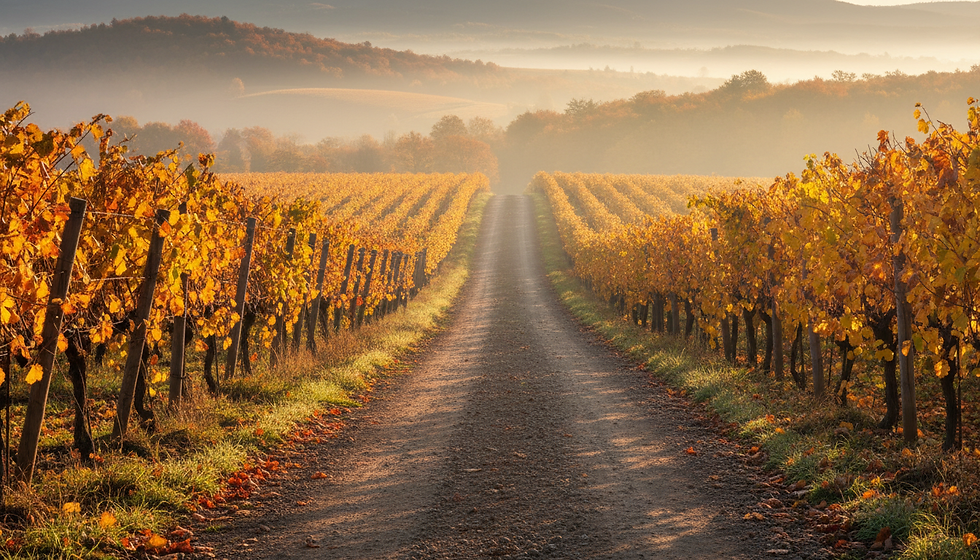


Fall is my favorite time to travel. 😀