


Explore Germany's Wine Tours: Best Travel Times and Tips for Booking Your Adventure
Wine lovers searching for a unique travel experience will find Germany an exceptional destination. Known for its diverse wine regions and centuries-old traditions, Germany offers a rich variety of wines, especially its world-famous Rieslings. Touring German vineyards combines scenic beauty, cultural heritage, and delicious tastings. This guide will help you discover the best time to visit and practical tips for booking your wine tour adventure.

When to Visit Germany for Wine Touring
Choosing the right time to visit Germany’s wine regions can greatly enhance your experience. The climate and seasonal activities vary, so timing your trip matters.
Spring (April to June)
Spring brings mild weather and blooming landscapes. Vineyards start to awaken from winter dormancy, and the countryside becomes lush and green. This period is ideal for travelers who prefer fewer crowds and pleasant temperatures around 15-20°C (59-68°F). Some wineries begin their tours and tastings, but the full harvest experience is still months away.
Summer (July to August)
Summer is warm and lively, with temperatures often reaching 25-30°C (77-86°F). This is a popular time for tourists, so expect more visitors at major wine regions like the Mosel, Rheingau, and Pfalz. Many vineyards host festivals and open-air events, offering a festive atmosphere. However, booking in advance is essential during this peak season.
Autumn (September to October)
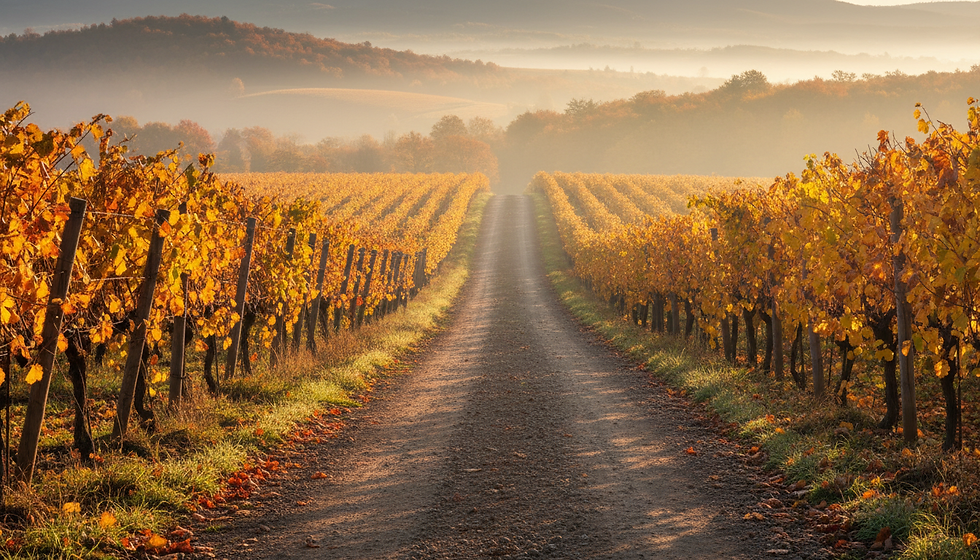
Autumn is the best time to visit for wine enthusiasts. This is harvest season, when grapes are picked and winemakers are busy crafting the new vintage. The weather remains mild, and the vineyards display stunning fall colors. Many regions hold harvest festivals (Weinfeste), where visitors can taste fresh wines, enjoy local food, and experience traditional celebrations. This period offers the most authentic wine touring experience.
Winter (November to March)
Winter is the off-season for wine tourism in Germany. Many vineyards close or reduce their hours, and the weather can be cold and rainy. However, some regions offer cozy wine taverns (Straußwirtschaften) where you can sample wines in a warm, intimate setting. Winter visits are best for travelers who want a quiet, reflective experience and don’t mind limited vineyard access.
Top Wine Regions to Explore
Germany has 13 official wine regions (Anbaugebiete), each with unique characteristics. Here are some of the most popular for wine tours:
Mosel: Famous for steep vineyards along the Mosel River, producing crisp Rieslings with bright acidity.
Rheingau: Known for elegant Rieslings and historic estates near the Rhine River.
Pfalz: One of the warmest regions, producing a variety of wines including Riesling and Spätburgunder (Pinot Noir).
Baden: Germany’s southernmost region, with a reputation for Pinot Noir and diverse microclimates.
Franken: Recognized for its dry white wines and distinctive Bocksbeutel bottle shape.
Each region offers charming villages, scenic drives, and welcoming wineries ready to share their craft.
How to Book Your Wine Tour in Germany
Planning your wine tour involves choosing the right travel options and booking tours that match your interests and schedule.
Booking Transportation
Flights: Major international airports near wine regions include Frankfurt (Rhein-Main), Munich, and Düsseldorf. Frankfurt is especially convenient for Mosel and Rheingau.
Train Travel: Germany’s efficient rail network connects many wine regions. For example, the Mosel Valley is accessible via Trier or Koblenz stations. Regional trains and buses can take you closer to vineyards.
Car Rental: Renting a car offers flexibility to explore smaller villages and remote vineyards at your own pace. Roads are well-maintained, and signage is clear.
Choosing Wine Tours
Guided Group Tours: Many companies offer half-day or full-day wine tours with transportation, tastings, and meals included. These are great for first-time visitors or those who prefer a structured itinerary.
Private Tours: For a personalized experience, private tours let you customize the route, wineries, and pace. Local guides provide insider knowledge and access to exclusive tastings.
Self-Guided Tours: If you prefer independence, plan your own route using maps and winery websites. Many vineyards welcome visitors without appointments, but it’s wise to call ahead during busy seasons.
Booking Tips
Reserve tours and accommodations well in advance, especially for visits during harvest season or summer.
Look for wineries with English-speaking guides if you don’t speak German.
Check if tours include transportation or if you need to arrange your own.
Consider combining wine tours with other local attractions like castles, hiking trails, or river cruises.

What to Expect on a German Wine Tour
Wine tours in Germany offer more than just tasting. Expect to learn about:
Wine production methods: Many tours include vineyard walks explaining grape varieties, soil types, and harvesting techniques.
Wine styles: Germany is famous for Riesling, but you’ll also find Pinot Noir, Silvaner, and other varieties.
Food pairings: Tastings often come with regional specialties like pretzels, sausages, or cheese.
Cultural insights: Wineries are often family-run with histories dating back centuries, providing a glimpse into local traditions.
Tours typically last 2-4 hours, but some include multi-day packages with accommodation and visits to several wineries.
Final Thoughts on Planning Your German Wine Tour
Germany’s wine regions offer a rich, authentic experience for travelers who appreciate quality wine and cultural heritage. The best time to visit depends on your preferences: spring and summer for mild weather and festivals, autumn for harvest excitement, and winter for quiet tastings. Booking your travel and tours early ensures access to the best wineries and guides.


Comments